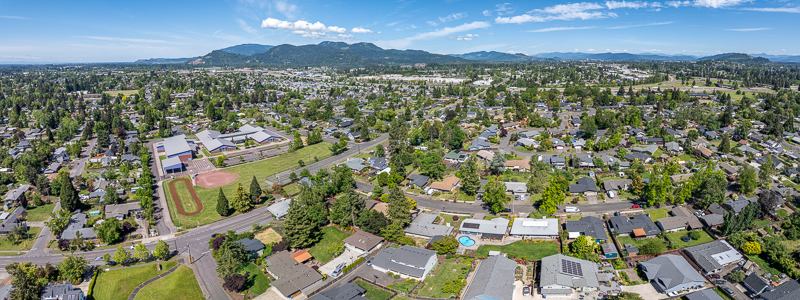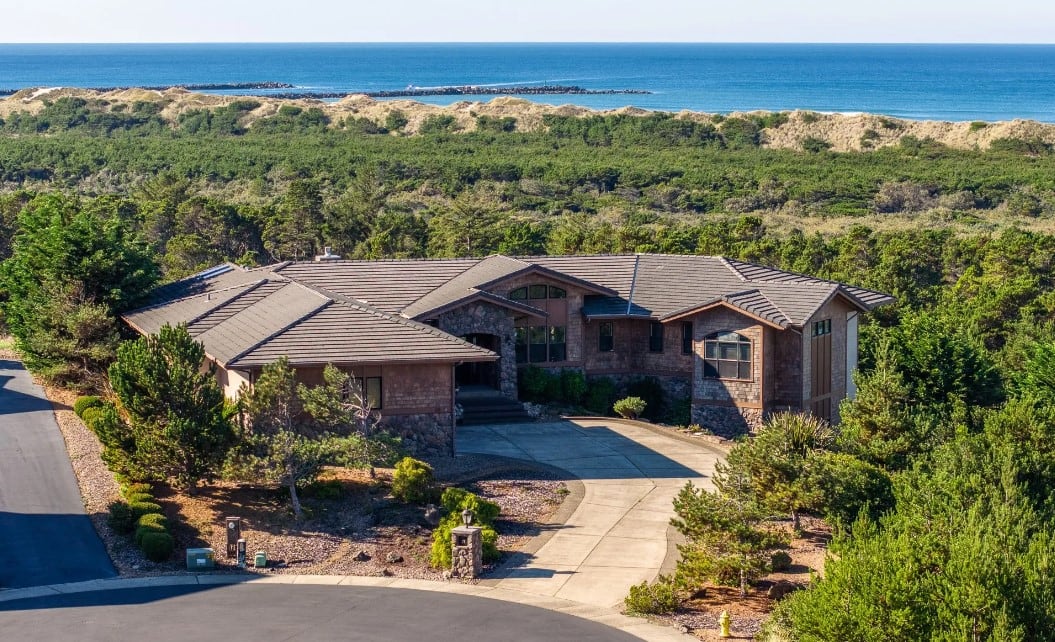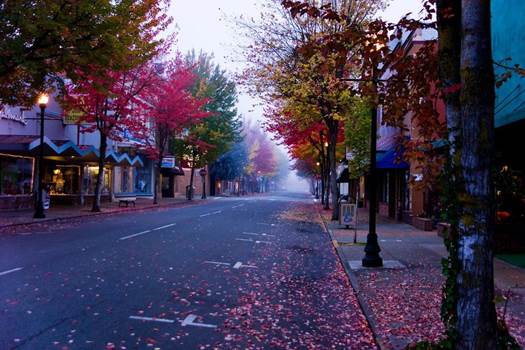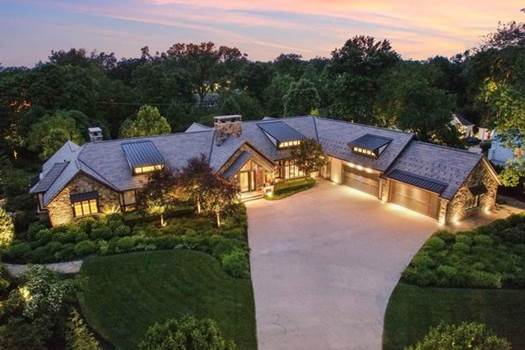

Oregon is a genuinely good place to retire — but it is not one answer. The coast, the Willamette Valley, the southern Rogue Valley, and the wine country each feel different, cost differently, and suit different retirement styles. That variety is the honest reason retirees from California, Washington, and across the country keep landing here: you can find a small coastal town, a walkable arts city, or a quiet valley community with Eugene's medical infrastructure twenty minutes away, depending on what you actually want your days to look like.
The tax picture matters too, and we cover it honestly below. Oregon has no sales tax, which helps retirees on fixed incomes, but it does tax most retirement income — Social Security is exempt, but pension and IRA distributions are not. That trade-off is worth understanding before you fall in love with a town.
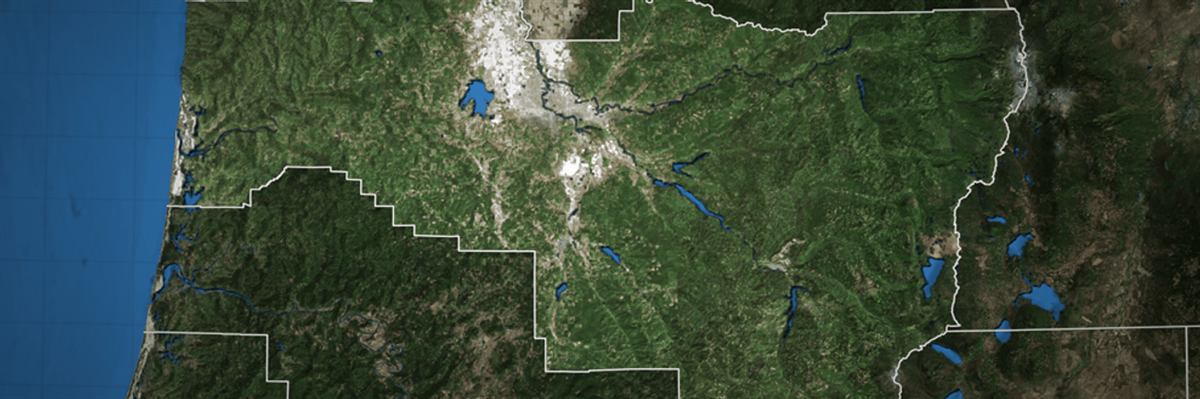
This guide covers seven towns we genuinely recommend, with real cost context and candid trade-offs for each. Four of them — Cottage Grove, Creswell, Coburg, and Junction City — sit within Lane County, where Heart & Home Real Estate has worked since 2003. Florence is sixty miles west on the coast. Roseburg anchors Douglas County to the south. Ashland sits in the Rogue Valley, 175 miles from Eugene. We cover all seven because retirees comparing Oregon towns deserve a guide that spans the geography, not just the county we happen to work in most.
Is Oregon a Good Place to Retire?
Oregon's combination of mild climate, geographic variety, and towns that still feel like towns makes it a strong retirement destination, particularly for people relocating from California or the Pacific Northwest interior. The practical case: no sales tax, Social Security exempt from state income tax, and access to major medical systems (PeaceHealth, OHSU, Asante) without living in a large city. The honest trade-off: Oregon does tax pension and IRA income, and the western side of the state is wetter than most newcomers expect from October through April. If you want dry summers and four distinct seasons, the Rogue Valley (Ashland, Medford) is a better fit than the coast or the Willamette Valley.
What to Look for in an Oregon Retirement Town
Before comparing towns, it helps to be clear on what you are actually optimizing for. The questions that tend to matter most:
- Medical access. How close is a full-service hospital? PeaceHealth Sacred Heart in Eugene serves the entire Willamette Valley. Asante serves the Rogue Valley. The coast has smaller facilities — Florence residents typically drive to Eugene for anything beyond urgent care.
- Price tier. Cottage Grove and Roseburg are the most affordable markets on this list. Coburg and Ashland are the most expensive. Creswell, Junction City, and Florence sit in the middle range.
- Town feel. Some retirees want walkable downtown blocks and a farmers market. Others want acreage and quiet. These towns are not interchangeable on that dimension — the guide below is specific about each.
- Proximity to Eugene. Four of the seven towns are within 20 miles of Eugene, which matters for medical appointments, airport access (Eugene Airport, EUG), and commercial infrastructure without paying Eugene prices.
Retirement Communities on the Oregon Coast
Florence is the strongest coastal retirement option within a reasonable drive of Eugene — and the only Oregon coast town on this list. It sits at the mouth of the Siuslaw River, 60 miles west of Eugene on Highway 126, and it has the infrastructure that smaller coast towns lack: a full grocery, medical clinic, and a downtown that functions year-round rather than only in summer. The Oregon Dunes National Recreation Area begins just south of town, which gives retirees who want outdoor access something genuinely distinctive — not just beach walking, but dune hiking, freshwater lakes, and estuary fishing within a few miles of home.
The honest trade-off for coastal retirement anywhere in Oregon: marine layer and rain from October through May, limited specialist medical care (most Florence residents drive to Eugene for anything beyond urgent care or the local clinic), and a smaller social infrastructure than a Willamette Valley town of similar size. For retirees who want the coast as a daily reality rather than a vacation backdrop, Florence is the practical choice. For those who want coast access without committing to coastal weather full-time, Cottage Grove or Creswell — both within an hour of Florence — offer a different balance.
Browse current listings: Florence, Oregon homes for sale .
2026 Quick Comparison — All 7 Towns at a Glance. The price column is the median detached house that actually sold in each town over the last twelve months, counted from the RMLS records we work in every day — not a list price and not an estimate. Cheapest first. Coburg sells so few houses that its figure rests on eight sales, and Ashland sits outside the MLS we pull from, so we do not put a number on it rather than guess.
| Town | Median house sold | Miles from Eugene | Best For |
|---|---|---|---|
| Roseburg | $374,000 | 70 mi south | Douglas County affordability, VA healthcare, wine country |
| Cottage Grove | $400,000 | 20 mi south | Affordability, small-town pace |
| Creswell | $484,900 | 15 mi south | Close to Eugene, quiet, growing |
| Junction City | $489,000 | 12 mi north | Rural feel, low density, good value |
| Florence | $490,000 | 60 mi west | Oregon coast, sand dunes, sea air |
| Coburg | $650,000 (only 8 sales) | 8 mi north | Historic charm, close to Eugene, upscale small-town |
| Ashland | Outside our MLS | 175 mi south | Culture, arts, outdoor lifestyle |
1. Cottage Grove, Oregon — The Cheapest Way into Lane County
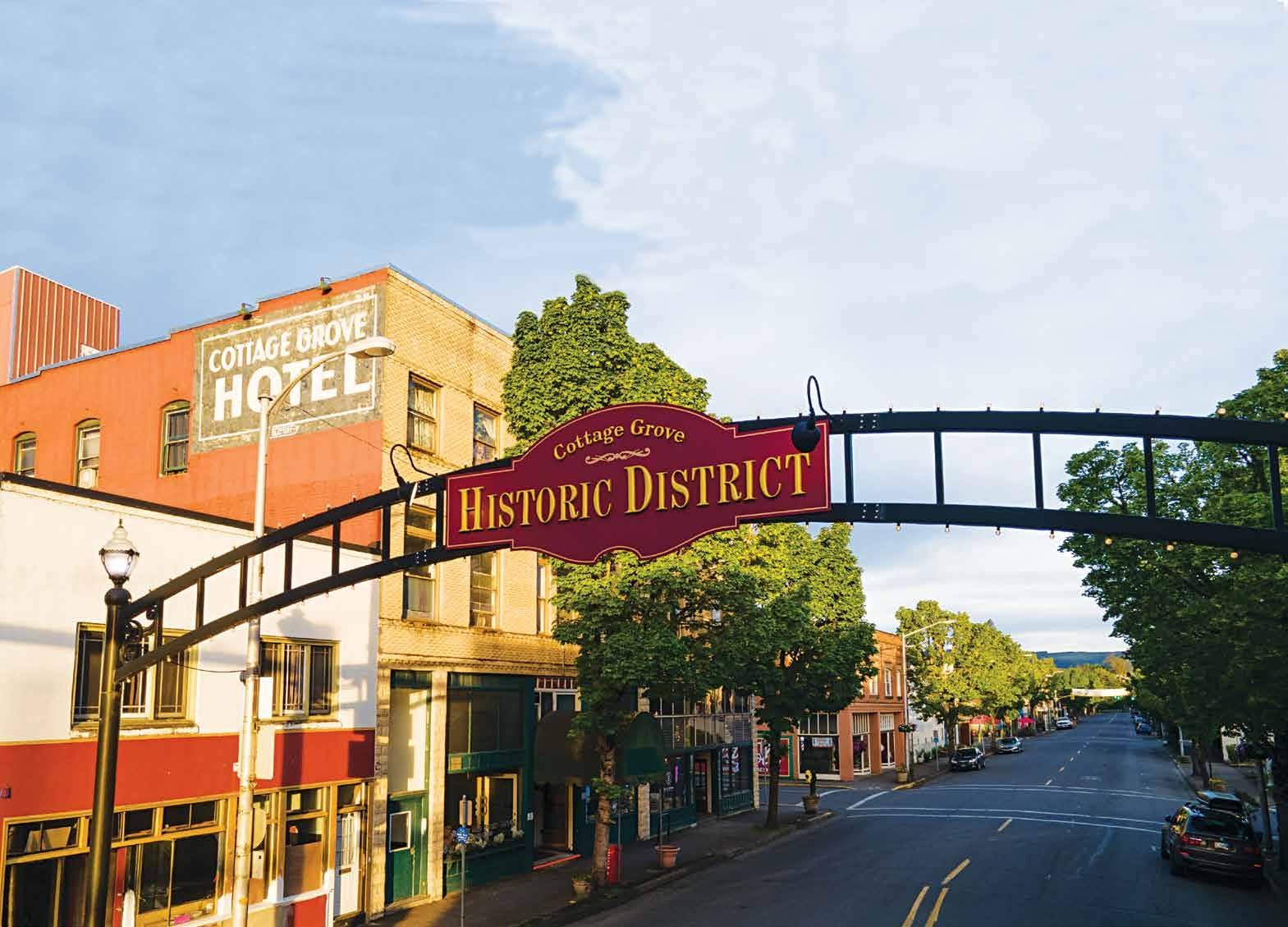
Cottage Grove is a town of about 10,000 people 20 miles south of Eugene, and its prices reflect that it draws less attention than better-known Oregon retirement destinations.
It's a town of about 10,000 people 20 miles south of Eugene on I-5, and it has something genuinely distinctive: the Row River area and the famous covered bridges of Lane County, which dot the rural roads outside of town. There are six covered bridges within easy driving distance — it's a real thing, not a tourist gimmick.
The town itself is small but not hollowed out. There's a functional downtown with local businesses that have survived. The Bohemia Mining District up in the hills is a piece of Oregon history that most people outside the region have never heard of. And the proximity to Eugene — 20 minutes on the freeway — means retirees have access to PeaceHealth Sacred Heart Medical Center and all of Eugene's commercial infrastructure without paying Eugene prices.
That price difference is real. The median detached house sold in Cottage Grove over the last twelve months went for $400,000, against $484,900 in Creswell and $489,000 in Junction City — so it is the cheapest way into Lane County on this list by a meaningful margin. Roseburg is cheaper still at $374,000, but Roseburg is seventy miles south and its own city; Cottage Grove buys you Lane County at twenty minutes from Eugene. For retirees on fixed incomes, or anyone wanting to retire earlier without stretching their savings, that changes the math.
The trade-off is candid: Cottage Grove is a small town that has some of the challenges that come with that — limited dining variety, limited specialty retail, and a pace that not everyone finds energizing. But for people who actually want quiet, who will drive 20 minutes to Eugene for what they need, and who value keeping monthly costs lower, it delivers.
Search Cottage Grove, OR homes for sale
What It Actually Costs to Retire Here
- Median detached house sold, last 12 months: $400,000 — the cheapest way into Lane County on this list.
- Nearest hospital: PeaceHealth Sacred Heart (Eugene, 20 miles)
- Distance from Eugene: 20 miles south on I-5
- Best for: Budget-conscious retirees who want Lane County character without Eugene prices
2. Creswell, Oregon — The Quiet Addition That Makes Sense
Creswell is the kind of town that doesn't show up on national retirement lists, which is increasingly a feature rather than a bug.
It's a small city of about 6,000 people, 15 miles south of Eugene on I-5. It has the feel of a rural community with genuine access to a city — you can be at a Eugene hospital, restaurant, or airport in under 20 minutes. That access-without-noise combination is something retirees in particular tend to value once they're living it rather than just reading about it.
The housing market has been active. Creswell offers value at a price point below comparable properties closer to Eugene, with homes typically sitting on larger lots and more green space than you'd find in an established Eugene neighborhood at the same price.
Creswell is one of the Lane County markets where Heart & Home has been active, and we're glad to help whether you're buying now or planning ahead.
What It Actually Costs to Retire Here
- Median detached house sold, last 12 months: $484,900 — mid-range, and close-in Lane County.
- Nearest hospital: PeaceHealth Sacred Heart (Eugene, 20 miles)
- Distance from Eugene: 15 miles south on I-5
- Best for: Retirees who want Eugene access, lower density, and larger lots
3. Junction City, Oregon — Small-Town Oregon, 12 Miles from Everything

Junction City sits 12 miles north of Eugene on Hwy 99W, and it carries one of the more interesting community identities in Lane County — a Scandinavian heritage that shows up in the annual Scandinavian Festival each August, now over 60 years old.
With about 7,000 residents, it's large enough to have real infrastructure but small enough that people know each other. The pace is genuinely unhurried. Agricultural land surrounds the town, and the Willamette Valley farming backdrop — fields, nurseries, grass seed operations — gives it a rural quality that Eugene's suburbs have largely lost.
Pricing runs roughly in line with Creswell but with a different character. Junction City tends to attract buyers who want a working small town rather than a bedroom community — people who shop locally, know their neighbors, and drive to Eugene for what isn't available closer.
The north Eugene corridor means getting to Eugene healthcare, retail, and services is a short drive with no freeway required. And the Willamette Valley wine trail — running north toward Corvallis and McMinnville — passes right through the region, which matters more than you'd think after a few years of retirement weekends.
Junction City, OR homes for sale
What It Actually Costs to Retire Here
- Median detached house sold, last 12 months: $489,000 — mid-range, with rural character.
- Nearest hospital: PeaceHealth Sacred Heart (Eugene, 12 miles)
- Distance from Eugene: 12 miles north on Hwy 99W
- Best for: Retirees who want genuine small-town character, Willamette Valley scenery, and easy Eugene access
4. Coburg, Oregon — Historic Charm, 8 Miles from Eugene
Coburg doesn't make most retirement lists because it's small — about 1,300 people — but that's exactly the point. It's a National Historic District 8 miles north of Eugene on I-5, with a preserved downtown of late-1800s storefronts, Victorian homes, and streets that feel more like a movie set than a real town. The annual Coburg Antique Fair draws collectors from across the Pacific Northwest.
For retirees, the appeal is the combination of quiet and access. You can be at a Eugene hospital, restaurant, or the airport in 15 minutes. But you come home to a town where people know their neighbors, the pace is unhurried, and the setting is genuinely scenic — the Coburg Hills rise directly east of town, and the Willamette River runs along the western edge.
The trade-off is price and scale. Coburg runs higher than most Lane County small towns — it's an upscale market with larger lots, historic character, and limited inventory. Because the market is so small, available listings at any given time can be thin; patient, specific buyers tend to do best here. For retirees willing to be patient and specific about what they want, Coburg offers something that Lane County simply doesn't have anywhere else at this proximity to Eugene.
See Coburg homes on the market
What It Actually Costs to Retire Here
- Median detached house sold, last 12 months: $650,000 — the highest here, but only eight houses sold all year.
- Nearest hospital: PeaceHealth Sacred Heart (Eugene, 8 miles)
- Distance from Eugene: 8 miles north on I-5
- Best for: Retirees who want historic character, upscale small-town living, and immediate Eugene access
5. Florence, Oregon — Where the Coast Actually Makes Financial Sense

Most Oregon Coast towns either price people out or sit too far from real services. Florence manages to thread that needle better than most.
It's a town of about 10,000 people at the mouth of the Siuslaw River, roughly 60 miles west of Eugene. The setting is striking — the river, Heceta Head Lighthouse to the north, and the Oregon Dunes National Recreation Area beginning just south of town. The sand dunes here are the largest coastal dunes in North America, which sounds like a tourism brochure line until you actually see them.
What draws retirees is the combination of coastal access and a surprisingly functional small-city infrastructure. PeaceHealth Peace Harbor Medical Center is in town. There's a decent grocery situation. The cost of living runs below the Oregon average in most categories outside of housing.
On housing: prices vary meaningfully by proximity to water and specific neighborhood. Old Town Florence — close to the riverfront with walkable restaurants and shops — commands the higher end. Homes slightly inland or in established residential areas come in meaningfully lower than most of the northern Oregon Coast.
The trade-off is the weather and the distance. Coastal weather on the Central Oregon Coast is overcast a lot of the year. It's rarely extreme, but it's rarely sunny either. And 60 miles from Eugene is manageable for day trips, but it's not commuter distance if you have ongoing appointments in the valley.
What It Actually Costs to Retire Here
- Median detached house sold, last 12 months: $490,000 — about what Junction City costs, on the coast.
- Nearest hospital: PeaceHealth Peace Harbor Medical Center (in town)
- Distance from Eugene: 60 miles west via Hwy 126
- Best for: Retirees who want genuine coastal living at a more accessible price than northern Oregon Coast markets
6. Roseburg, Oregon — Douglas County Value with a Genuine Retirement Infrastructure
Roseburg is the town on this list that most directly solves the retirement math problem. It's a city of about 23,000 people 70 miles south of Eugene on I-5, and it offers something the Willamette Valley doesn't: meaningfully lower housing costs, a warmer and drier climate, and a retirement-specific infrastructure that most small Oregon cities can't match.
The healthcare picture is unusual in a good way. Mercy Medical Center serves the broader community, and the VA Roseburg Healthcare System is a full VA hospital — which matters enormously for retired veterans who want to live somewhere their care is local rather than a drive away. For non-veteran retirees, Mercy covers most of what a person needs without crossing a county line.
Roseburg sits at the heart of the Umpqua Valley wine region — smaller and quieter than the Willamette wineries, but genuinely good, and less crowded. Wildlife Safari is 20 minutes away. The Umpqua River runs through town with real fishing and float access. And the climate is notably warmer and drier than Eugene — Roseburg averages more sunny days and less annual rainfall, which is not a minor variable at retirement age.
The trade-off is distance. Seventy miles from Eugene is far enough that you're not running up for a single appointment — Roseburg is its own city, not a bedroom community. But the housing value makes that equation work for many retirees. Prices run meaningfully below comparable Lane County towns for similar homes, which for a couple on a fixed income can be the difference between comfortable and stretched.
Available homes in Roseburg, OR
What It Actually Costs to Retire Here
- Median detached house sold, last 12 months: $374,000 — the lowest of the seven, and 503 houses sold, so the number is well supported.
- Nearest hospital: Mercy Medical Center (in town); VA Roseburg Healthcare System (in town)
- Distance from Eugene: 70 miles south on I-5
- Best for: Retirees wanting real affordability, veterans drawn to VA care, and anyone ready to trade Eugene proximity for a warmer/drier climate and genuine wine country
7. Ashland, Oregon — Culture, Shakespeare, and the Rogue Valley
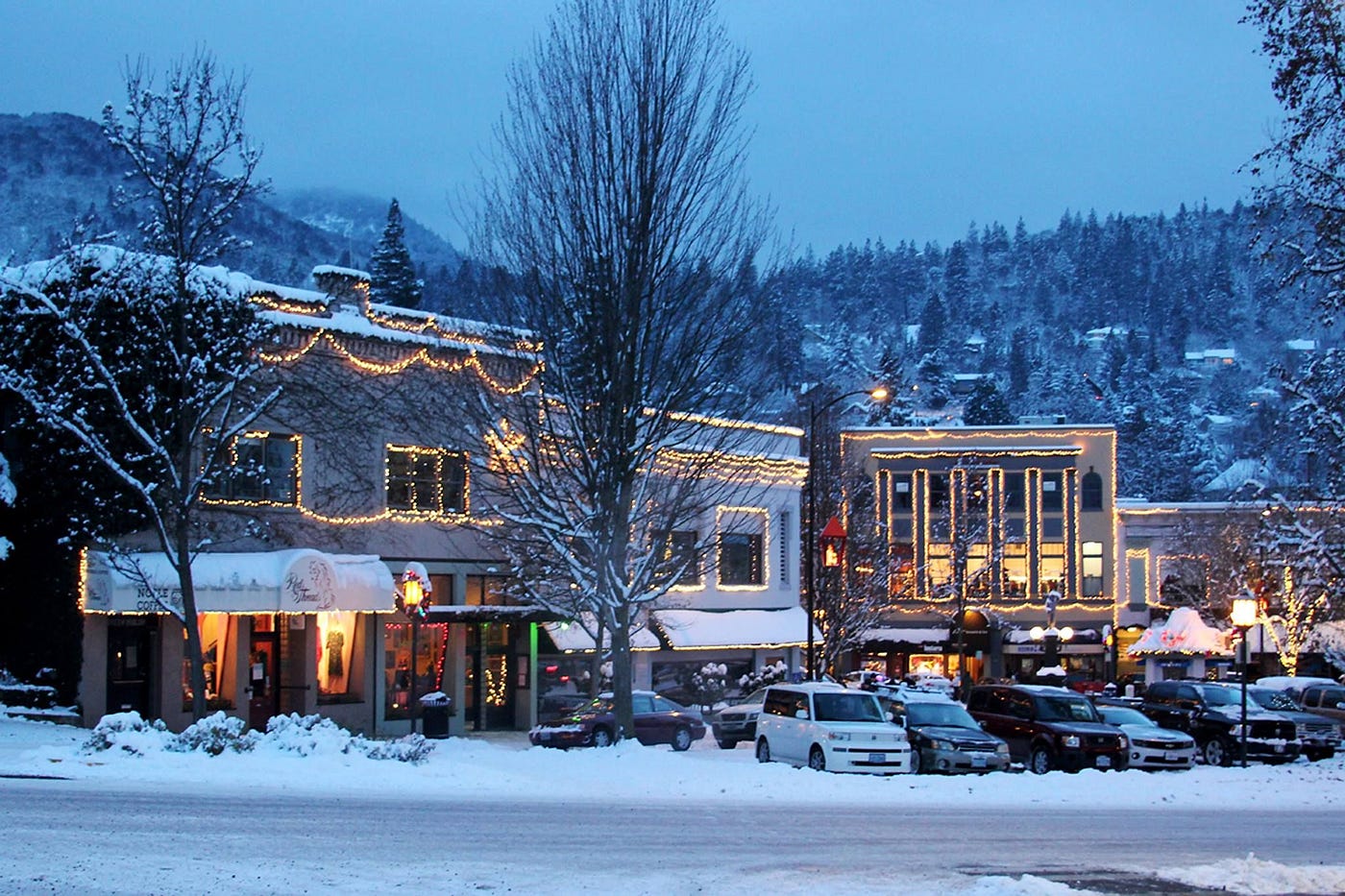
If you've ever wanted to live somewhere that actually has a reason to exist beyond shopping malls and chain restaurants, Ashland is worth a serious look.
It's a small city of around 21,000 people in the Rogue Valley, about 15 miles north of the California border. The anchor of its identity is the Oregon Shakespeare Festival — one of the largest and longest-running regional theater companies in the country. It draws visitors from everywhere, but for people who live there, it means you're never short of something genuinely interesting to do.
Southern Oregon University sits at the center of town and brings the kind of intellectual energy that keeps a small city from feeling stagnant. Lectures, community programs, fitness facilities — retirees with a university connection find it particularly easy to stay engaged.
The outdoor access is real, not just marketing copy. Mount Ashland is 30 minutes away and gets meaningful snowfall in winter. Lithia Park runs directly through town along Ashland Creek — a proper park, not a strip of grass. And the Rogue River is close enough for fishing, kayaking, and summer afternoons on the water.
The trade-off is worth naming: Ashland has a higher cost of living than most Oregon towns. Real estate has softened slightly from peak years, but this is not a budget destination. If you're coming from a California market, it will feel reasonable. If you're comparing it to rural Lane County, it won't.
What It Actually Costs to Retire Here
- Price: higher-end, above most Oregon small cities. Ashland sits outside the MLS we pull from, so we will not put a median on it — ask us and we will get the real figure from a Rogue Valley agent.
- Nearest hospital: Asante Ashland Community Hospital (in town)
- Distance from Eugene: 175 miles south via I-5
- Best for: Retirees who want cultural depth, walkability, and an active arts community
Oregon's Retirement Tax Picture
Oregon's tax situation for retirees is genuinely favorable in the areas that matter most for fixed-income living — with a few trade-offs worth understanding upfront.
Oregon has no state sales tax, which is one of only five states in the country. On a retirement lifestyle with regular purchases, dining, and travel, that adds up to real annual savings. And Oregon fully exempts Social Security from state income tax, which matters enormously for retirees drawing primarily from that income stream.
Property taxes run slightly below the national average as a rate, though the dollar amount varies significantly by county — Lane County falls in the moderate middle. The Oregon Property Tax Deferral program is also available for qualifying homeowners 62 and older.
Worth knowing: Oregon does tax 401(k), IRA, and pension withdrawals as ordinary income, and the state estate tax threshold is $1 million — the lowest in the country. If you have questions about how this affects your retirement plan, we can connect you with local, knowledgeable Oregon estate attorneys who can walk you through strategic options specific to your situation.
Thinking about retiring in Oregon?
Whether you're drawn to the coast, the valley, wine country, or a quiet small town with easy city access, we've been helping buyers and sellers navigate Lane County and the surrounding region for over 25 years. As Eugene Oregon realtors who know this market from the inside, we'll walk you through current listings, what the market actually looks like right now, and the honest trade-offs of each community — not the polished version you'll find everywhere else.
Tell us where you're looking. We'll tell you what we actually know.
Common questions
- Is Oregon a good place to retire?
- For the right person, yes. There is no sales tax, Social Security is exempt from state income tax, and you can reach a major hospital without living in a big city. Against that: Oregon taxes pension and IRA withdrawals as ordinary income, the estate tax threshold is the lowest in the country at $1 million, and the western half of the state is wetter from October through April than most newcomers expect. If you want dry summers and four real seasons, look at the Rogue Valley rather than the coast or the Willamette Valley.
- What is the cheapest place to retire in Oregon?
- Of the seven towns here, Roseburg is the least expensive — the median detached house sold there over the last twelve months went for $374,000, across 503 sales. Cottage Grove is next at $400,000 and is the cheapest way into Lane County, twenty minutes from Eugene. Both figures come from the MLS records we work in, not from a national estimate.
- Does Oregon tax retirement income?
- Social Security is fully exempt from Oregon income tax. Pension, 401(k) and IRA withdrawals are taxed as ordinary income. There is no sales tax anywhere in the state, and property tax rates run a little below the national average, though the dollar amount varies by county. Homeowners 62 and older may qualify for the Oregon Property Tax Deferral program.
- Where should I retire on the Oregon coast?
- Florence is the practical choice within reach of Eugene. It has a hospital in town — PeaceHealth Peace Harbor — a year-round downtown, and the Oregon Dunes beginning just south. The median detached house sold for $490,000 over the last twelve months, about what Junction City costs inland. The trade-off is weather and distance: overcast much of the year, and sixty miles from Eugene for specialist care.
- Which Oregon retirement town is closest to a hospital?
- Coburg is eight miles from PeaceHealth Sacred Heart in Eugene, and Junction City twelve. Florence and Roseburg each have a hospital in town, and Roseburg also has a full VA hospital, which matters if you are a veteran who wants care local rather than a drive away.