
Quick answer: A pre-listing home inspection can be a good decision when a seller wants to identify problems early, complete selected repairs and reduce the risk of unexpected negotiations after accepting an offer. It is not necessary for every property, and the results can create additional repair and disclosure considerations.
Before you sell your home in Eugene, Oregon, it is worth discussing the property's age, condition, location and likely buyer concerns with your real estate broker. The right decision depends on the home and your selling strategy.
Key Points for Eugene Home Sellers
- A pre-listing inspection is completed before the home is placed on the market.
- It can identify repair issues before they affect a transaction.
- It may help the seller price and market the property more accurately.
- It does not prevent a buyer from ordering a separate inspection.
- The seller should carefully review inspection findings and disclosure obligations.
- Not every repair needs to be completed before listing.
What This Guide Covers
What Is a Pre-Listing Home Inspection?
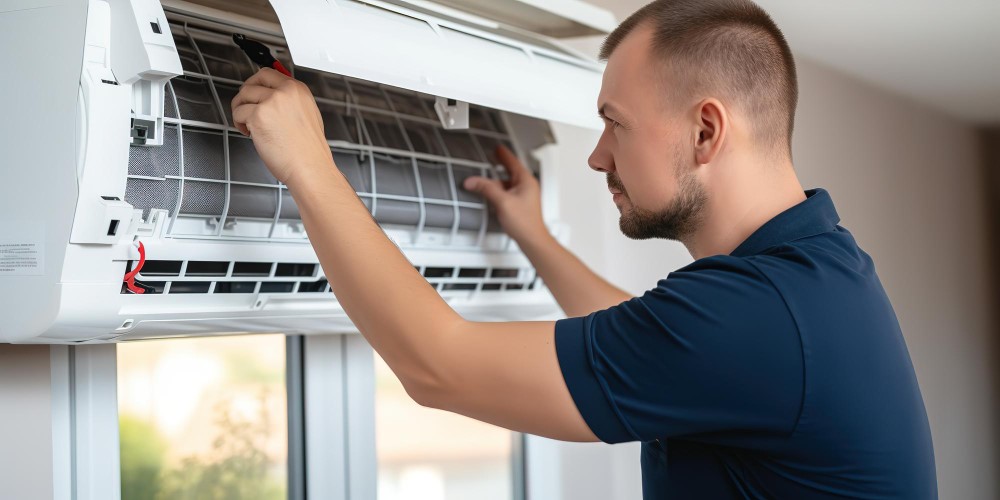
A pre-listing inspection is a professional evaluation of a home completed before the property is listed for sale. The inspector reviews accessible components of the home and documents visible defects, safety concerns and items that may require additional evaluation.
A general home inspection commonly includes:
- Roofing, flashing and visible drainage systems
- Foundation and accessible structural components
- Crawlspace, basement and attic areas
- Exterior siding, trim, windows and doors
- Electrical panels, outlets and visible wiring
- Plumbing fixtures, supply lines and drains
- Heating and cooling equipment
- Water heaters and installed appliances
- Insulation and ventilation
- Visible signs of moisture intrusion, decay or pest activity
The inspection is not a guarantee that the home has no defects. Inspectors generally evaluate visible and accessible areas and may recommend additional review by a contractor, electrician, roofer, engineer or other specialist.
When Is a Pre-Listing Inspection Worth Considering?
A pre-listing home inspection may be especially useful when:
- The home is older or has undergone several additions or remodels.
- The seller is concerned about the roof, crawlspace, electrical system, plumbing or foundation.
- There have been past leaks, drainage problems or moisture concerns.
- The property has a septic system, well, wood stove or significant outbuildings.
- The seller wants time to obtain repair estimates before listing.
- The seller wants to reduce uncertainty after accepting an offer.
- The property will be vacant or the seller will be moving out of the area.
A pre-listing inspection may be less useful when:
- The seller intends to sell the property in its present condition.
- The home is relatively new and has been consistently maintained.
- The seller does not have the time or resources to address inspection findings.
- The property already has extensive documentation from recent repairs or construction.
- The likely buyer is expected to complete extensive renovation work.
Before ordering an inspection, we recommend discussing how the report will be used, whether it will be provided to buyers and how potential findings could affect the seller's disclosures and pricing strategy.
Pros and Cons of a Pre-Listing Home Inspection
| Potential Advantages | Potential Disadvantages |
|---|---|
| Identifies problems before buyers discover them | Creates an additional upfront expense |
| Provides more time to compare repair estimates | May identify more work than the seller expected |
| Allows selected repairs to be completed on the seller's schedule | Can create new information that must be evaluated for disclosure |
| Can support more accurate pricing and marketing | Does not prevent a buyer from completing another inspection |
| May reduce last-minute negotiation surprises | Some buyers may question repairs completed without permits or documentation |
| Provides repair receipts and records that can be shared with buyers | The report may become outdated if the property is listed much later |
Can a Pre-Listing Inspection Help a Home Sell Faster?
It can, but there is no guarantee. An inspection may reduce delays when the seller addresses major concerns before listing and provides clear documentation of completed work. It can also help buyers evaluate the property with more information before writing an offer.
However, buyers will often order their own inspection. Their inspector may identify different concerns, and the buyer can still request repairs, credits or a price adjustment if permitted under the purchase agreement.
The primary advantage is not necessarily speed. It is preparation. The seller has more information before entering a legally binding transaction and can make decisions without the pressure of an active inspection deadline.
Common Home Inspection Problems in Eugene and Lane County
Homes in Eugene and Lane County are exposed to extended periods of rain and seasonal moisture. Local housing also includes a wide range of construction ages, from early twentieth-century homes to newer subdivisions. The issues found during an inspection will depend on the property, but several concerns appear regularly.
Crawlspace Moisture
Standing water, damaged vapor barriers, plumbing leaks, inadequate drainage and moisture-damaged framing are common buyer concerns. Inspectors may also note disconnected heating ducts, missing insulation or signs of pest activity.
Roof Moss and Drainage
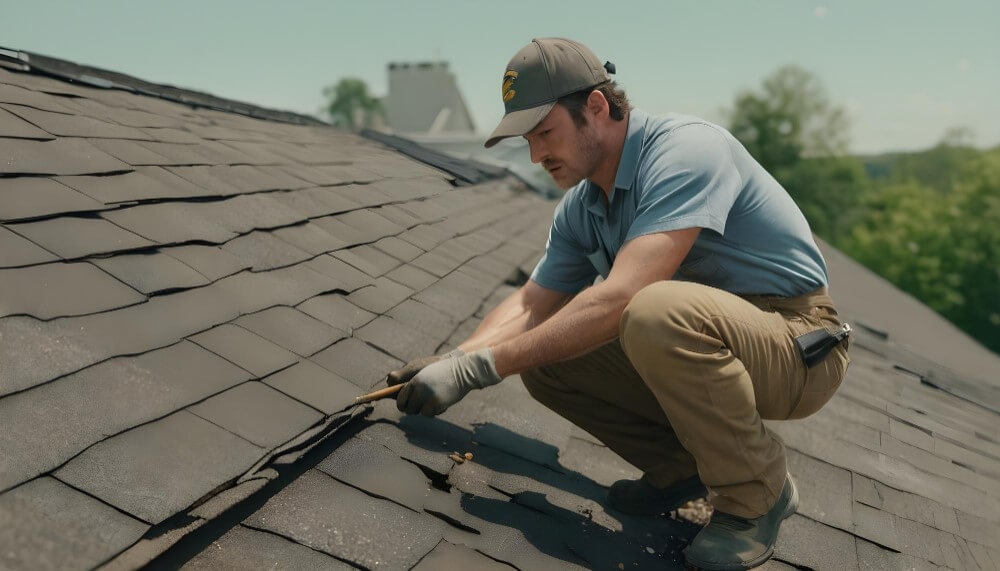
Moss growth does not automatically mean a roof has failed, but heavy growth can make it difficult to evaluate the roofing material. Inspectors may also identify worn shingles, damaged flashing, clogged gutters or downspouts that discharge too close to the foundation.
Siding and Exterior Wood Decay

Inspectors often pay close attention to siding near decks, windows, doors, rooflines and areas where soil or vegetation contacts the home. Failed caulking, damaged paint and poor clearance can allow moisture to affect siding and trim.
Attic Ventilation and Moisture
Bathroom fans that vent into the attic, inadequate ventilation, roof leaks and missing insulation can contribute to moisture staining or organic growth. These findings may require evaluation by a qualified contractor.
Older Electrical and Plumbing Systems
Older homes may contain outdated electrical panels, ungrounded outlets, amateur wiring, aging supply lines or older drain materials. These conditions do not always require complete replacement, but buyers may request further evaluation.
Heating Equipment and Wood Stoves
Inspectors may identify deferred furnace servicing, damaged ductwork, improper clearances or concerns involving wood stoves and fireplace inserts. Sellers should keep service records and any available installation or certification documents.
Does a Seller Need to Repair Everything in the Inspection Report?
No. Inspection reports can be lengthy and may include maintenance recommendations, minor defects, safety concerns and larger repair items. Treating every comment as equally important can lead to unnecessary cost and delay.
We generally help sellers separate findings into four categories:
1. Safety or significant property concerns: Conditions involving active leaks, electrical hazards, structural movement, failed systems or significant moisture damage.
2. Items likely to concern many buyers: Roof condition, heating equipment, sewer or septic issues, plumbing leaks and crawlspace water.
3. Simple repairs: Missing switch covers, loose handrails, failed caulking, damaged screens or nonworking fixtures.
4. Routine maintenance: Cleaning gutters, trimming vegetation, servicing equipment and replacing filters.
The best repair decisions depend on the cost, the likely effect on buyer confidence and whether the work can be completed properly before the home is listed.
How Can a Pre-Listing Inspection Affect Oregon Seller Disclosures?
A pre-listing inspection can give the seller additional knowledge about the property. That information should be reviewed carefully when completing or updating the seller's property disclosure statement and other transaction documents.
Oregon's disclosure requirements address known property conditions and material defects. Sellers should not assume that ordering an inspection creates an obligation to repair every item, but they also should not conceal or disregard significant findings.
Review the report with your real estate broker and obtain legal advice when the report identifies a serious condition or when there is uncertainty about what must be disclosed. You can also review the applicable language in Oregon Revised Statutes Chapter 105.
Keep copies of contractor invoices, permits, warranties, photographs and paid receipts for completed repairs. Good documentation can help buyers understand what was found and how it was addressed.
How to Prepare for a Pre-Listing Home Inspection

A seller does not need to make the home perfect before the inspection. The goal is to provide safe access and allow the inspector to evaluate the property without unnecessary obstacles.
- Provide access: Clear stored items away from the electrical panel, furnace, water heater, attic access and crawlspace entrance.
- Keep utilities on: Water, electricity and heating systems should be operational unless the inspector gives different instructions.
- Replace burned-out bulbs: A nonworking light can be reported as an electrical concern when the inspector cannot confirm the cause.
- Check smoke and carbon monoxide alarms: Replace missing or nonworking units where appropriate.
- Address active leaks: Repair dripping fixtures and visible plumbing leaks before they cause additional damage.
- Secure pets: Keep animals safely away from the property during the inspection.
- Gather records: Locate permits, service invoices, warranties and documentation for major improvements.
- Do not conceal defects: Covering visible damage or blocking access can create greater concern for buyers.
For additional preparation steps, read our guide on how to prepare your home for an inspection.
What Should Sellers Do After Receiving the Report?
- 1. Read the complete report. Do not base decisions only on the summary page.
- 2. Identify significant concerns. Focus first on safety, water intrusion, structural issues and major systems.
- 3. Request professional estimates. Use qualified contractors when the inspector recommends specialized evaluation.
- 4. Decide what to repair. Compare the cost of the work against the likely effect on pricing and buyer negotiations.
- 5. Document completed work. Save invoices, permits, warranties and photographs.
- 6. Review disclosures. Update property disclosures when necessary.
- 7. Set the pricing strategy. Consider the home's condition alongside comparable sales and current competition.
- 8. Decide whether to share the report. Discuss the advantages and risks with your broker before distributing it to buyers.
Frequently Asked Questions About Pre-Listing Inspections
How much does a pre-listing home inspection cost in Eugene?
Pricing varies based on the size, age, construction and condition of the home. Additional services such as sewer scopes, radon testing, well testing, septic evaluation, pest inspections and specialist reviews are generally priced separately. Obtain written quotes from qualified local inspectors before ordering services.
Will the buyer still order a home inspection?
Probably. A seller's inspection gives the buyer useful information, but many buyers will still hire their own inspector during the inspection period allowed by the purchase agreement.
Can a seller use the same inspection report after completing repairs?
Yes, but the report will still show the original findings. Provide invoices and supporting documentation showing which repairs were completed. For significant work, the seller may also consider asking the original inspector or appropriate contractor to verify the repair.
Who usually pays for a septic inspection in Oregon?
The purchase agreement determines who pays. A buyer may order and pay for the inspection during due diligence, or a seller may complete an evaluation before listing. Oregon DEQ recommends having a septic system professionally evaluated when buying or selling a home. Review additional information through Oregon Septic Smart.
Should a Eugene seller order a sewer scope?
A sewer scope can be worth considering when the home has an older sewer line, mature trees, a history of backups or an unknown connection condition. A general home inspection usually does not include a camera evaluation of the entire sewer line.
Is radon testing required when selling an Oregon home?
Radon testing is not currently required for a standard Oregon real estate transaction, but a buyer may request it. The Oregon Health Authority recommends testing because radon cannot be detected by sight or smell. Learn more from the Oregon Health Authority radon program.
Can an inspection increase the selling price?
An inspection does not automatically increase market value. It may help support the seller's pricing strategy when important repairs are completed and documented, but the final price will still depend on comparable sales, buyer demand, condition, location and competing listings.
Can I sell without completing any repairs?
Yes. A seller can choose to offer a property in its current condition, subject to the purchase agreement and applicable disclosure requirements. The asking price and marketing should reflect the property's condition and the likely cost or risk a buyer will assume.
Our Recommendation for Eugene Home Sellers
Do not order a pre-listing inspection simply because it sounds like the safest choice. Start by evaluating the home's age, maintenance history, known problems and likely buyer concerns.
For an older home, a property with moisture concerns or a sale with a firm moving deadline, the inspection may provide valuable information and more control over repair decisions. For a newer or well-documented property, a focused review of specific systems may be more practical than a full inspection.
The decision should support the larger listing strategy, including preparation, pricing, disclosures and negotiation.
Preparing to Sell Your Home in Eugene?
Heart & Home Real Estate helps sellers determine which improvements are worth completing, which concerns should be documented and how to position the property for the current market.
Our approach includes professional preparation, pricing based on current competition, direct communication and experienced representation. Our 1.95% Listing Advantage is designed to provide full-service representation while helping sellers retain more of their equity.
If you are considering selling in Eugene, Springfield or another Lane County community, contact Heart & Home Real Estate to discuss your home, your timeline and whether a pre-listing inspection makes sense for your property.
This article provides general real estate information and is not legal, engineering or home-inspection advice. Property conditions and transaction requirements vary. Consult the appropriate licensed professional regarding your specific situation.