Getting Started with Your Land Purchase in Lane County
Buying land in Lane County, Oregon requires careful consideration and planning. Whether you're looking to build your future home or invest in property, understanding the local market and regulations is crucial. This guide outlines key factors to consider, from assessing the land's features to navigating legal requirements. By following these steps, you'll be better prepared to make an informed decision and secure the right piece of land for your needs in Lane County's unique real estate landscape.
1. Walk the Land
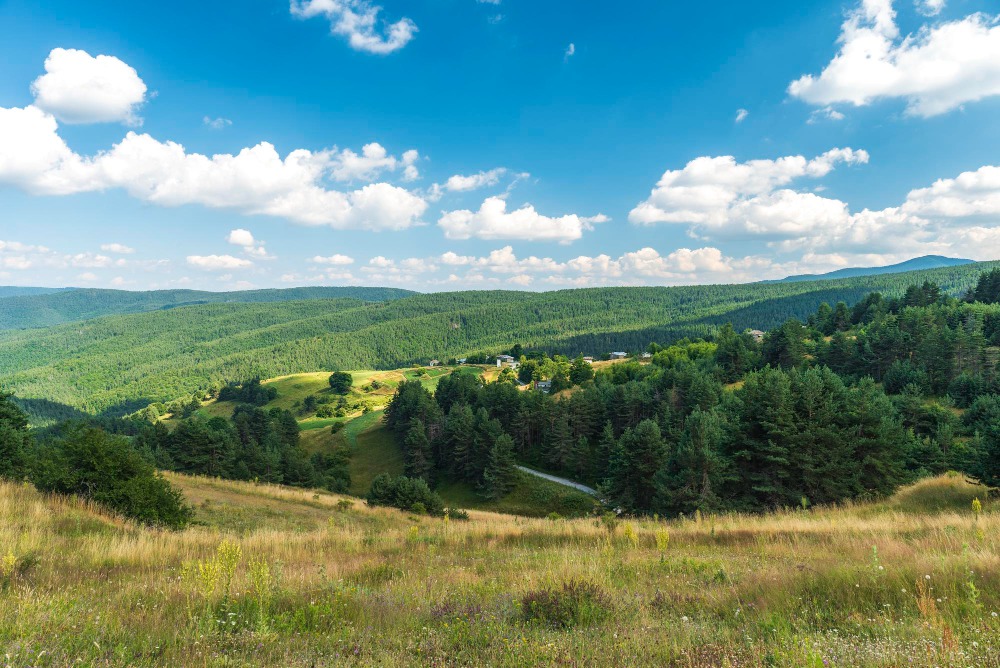
When considering purchasing land in Oregon, it's essential to walk the property yourself. This firsthand experience allows you to assess the topography, such as whether the land is flat or sloped, and determine if it meets your specific needs for building a home or other uses. Pay attention to the access points, including where and how many frontage roads are connected to the property.
As you explore, take note of everything on the property, from natural features to existing structures or utilities. Understanding the land's characteristics will help you make an informed decision and ensure it aligns with your vision.
2. Get Comparable Sales & Appraisal
To gauge the fair market value of the land, obtain comparable sales data for similar properties in the area. Prices can vary significantly based on several factors, including zoning classifications, access to the property, and the availability of utilities such as water, sewer, and electricity.
Along with working with Heart & Home Real Estate, you may consider hiring a professional appraiser to provide an objective valuation of the property. This can be particularly beneficial during negotiations and when securing financing, ensuring you don't overpay for the land.
3. Review Property Boundaries and Surveys
Clearly defined property boundaries are crucial when purchasing land. While surveys can be expensive and time-consuming, they are often necessary for due diligence, especially if property lines are unclear. If a recent survey isn't available, at minimum, get an estimate on the time and cost of conducting a new survey.
This information will help you budget accordingly and avoid potential boundary disputes in the future. The cost of a survey is typically far less than the potential expenses of resolving property line issues after purchase.
4. Floodzone and Wetlands
Before finalizing any land purchase in Oregon, it's critical to determine if the property is in a floodzone or contains wetlands. These factors can significantly impact the land's buildability and future development costs. Additionally, they may affect insurance requirements and premiums.
Understanding these environmental factors will help you make an informed decision and plan for any additional expenses or restrictions.
- Check FEMA flood maps to identify flood risk areas
- Consult with local authorities or environmental specialists about potential wetlands
- Factor in additional costs for flood insurance or wetland mitigation if necessary
5. Building and Development Costs
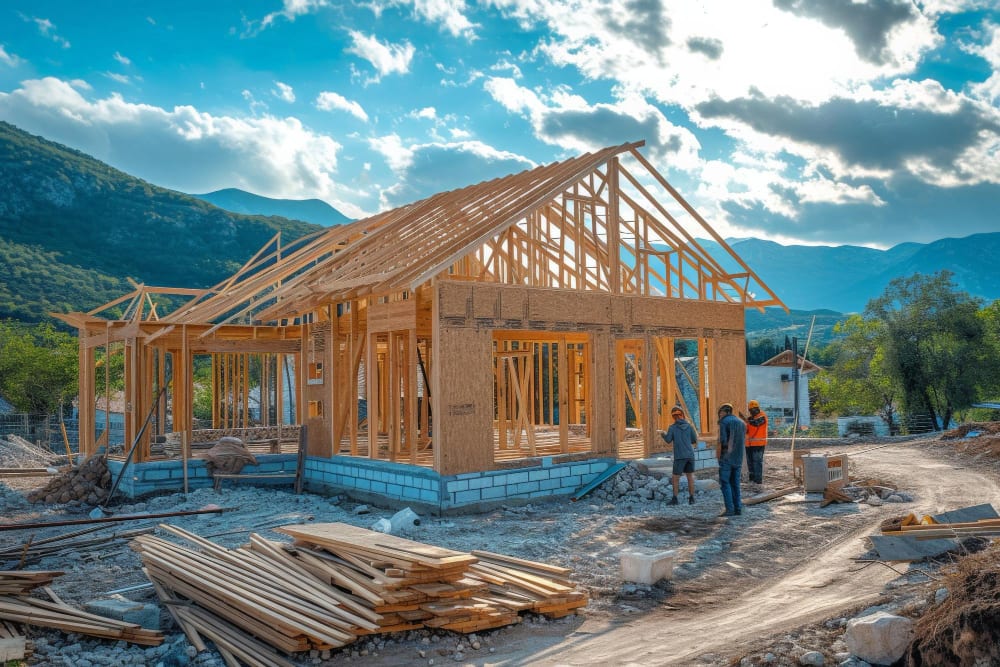
When evaluating land for purchase, consider the potential costs associated with developing the property. Key factors to assess include:
- Water supply (well drilling depth and associated expenses)
- Sewer system (drain lines and septic tank location)
- Electrical connection (distance from existing power lines)
These development costs can greatly vary and significantly impact the overall investment required, so it's important to factor them into your decision-making process. If you know the builder you will be using, get them involved initially to help you determine these costs. Their expertise can provide valuable insights into the specific challenges and expenses associated with developing your chosen property.
- Topography: Is the land level, or will extensive grading be required?
- Soil stability: Are there erosion issues that might necessitate a retaining wall?
- Utility access: Estimate costs for:
6. Land Restrictions and Title Policy
Understanding the legal aspects of the land is crucial when purchasing property in Oregon. We'll work with a local title and escrow company to secure a title policy and make sure you're protected against any unforeseen claims or issues. This process will help identify any encumbrances, such as liens or claims against the property, and reveal any easements that may grant others rights to use the land.
In addition to title concerns, it's important to research zoning and land use regulations to ensure the property aligns with your intended use. Check for any environmental restrictions that may affect your plans, such as protected habitats or conservation areas. By thoroughly investigating these legal and regulatory aspects, you can avoid potential pitfalls and ensure that the land you're purchasing can be used as you intend. The expertise of the title and escrow company, combined with your own due diligence, will provide a comprehensive understanding of the property's legal status and any restrictions that may apply.
7. Talk to the Neighbors
Engaging with neighboring property owners can provide valuable insights about the land and the surrounding area. Neighbors can offer information about local community dynamics, any known issues with the property, and future development plans in the vicinity.
These conversations can reveal important details that may not be apparent from official records or brief visits to the property, helping you make a more informed decision.
8. Hire Professionals
Navigating the complexities of land purchase in Oregon often requires expert assistance. Consider engaging:
While hiring these professionals incurs additional costs, their expertise can help you avoid costly mistakes and ensure a smooth, informed purchase process. Their collective knowledge and experience will provide you with a comprehensive understanding of the property, its value, and any potential challenges or restrictions you may face.
- A Heart & Home Real Estate Agent experienced in land transactions
- A land use attorney to review contracts and advise on legal matters
- A surveyor to accurately determine property boundaries
- An environmental consultant for wetland or soil assessments
- A local builder or developer to assess construction feasibility
- A professional appraiser to provide an objective valuation of the property
- A reputable title and escrow company to handle the closing process and ensure a clear title
Can I Buy a Manufactured Home with Land in Lane County?
Yes, you can buy a manufactured home with land in Lane County, Oregon, but zoning rules, financing options, and title status all affect how the transaction works. Lane County's mix of rural, residential, and agricultural zones means some parcels welcome manufactured homes while others restrict them, so confirming zoning compliance before making an offer is essential.
Key points to sort out early include whether the home is on a permanent foundation (which affects loan eligibility), whether it has been titled as real property or personal property, and whether the land is served by well and septic or public utilities. Working with a local agent familiar with Lane County land and manufactured-home transactions can help you navigate lender requirements and county permitting rules before you commit.
- Zoning check: Confirm the parcel allows manufactured homes—rules differ between urban, rural residential, and farm/forest zones.
- Foundation and title: Homes on permanent foundations titled as real property typically qualify for conventional or FHA/VA financing.
- Utilities: Well, septic, and power availability affect both livability and appraised value.
- Survey and boundaries: As with any land purchase, clear property lines protect you from future disputes.
How Do I Check Zoning Before Buying Land in Lane County?
You can check the zoning of any Lane County parcel through the Lane County GIS portal or by contacting Lane County Land Management directly — both are free, and your agent can look up a parcel with you and walk through what its zoning allows. Enter the tax lot number or address, and the system returns the zoning designation (Rural Residential, Exclusive Farm Use, Forest Conservation, etc.) along with the applicable land use regulations.
Zoning determines what you can build, how large the structure can be, whether a dwelling is permitted at all, and what setbacks and lot coverage limits apply. In Lane County, Exclusive Farm Use (EFU) zoning is particularly restrictive — a dwelling is only permitted if the parcel meets minimum farm income thresholds or qualifies under a specific exception. Buying EFU land with the expectation of building a home without confirming that exception first is one of the most common and costly mistakes in rural Lane County land purchases.
Beyond the base zoning, check for overlay zones: floodplain, wildfire hazard, and riparian corridors can all layer additional restrictions on top of the base designation. The Lane County Planning Division can confirm which overlays apply and whether a pre-application conference is advisable before you commit to a parcel. That conversation is free and can save significant time and money during due diligence.
What Should I Know About Wildfire Risk When Buying Rural Property Near Eugene?

Rural properties in the hills and foothills surrounding Eugene — particularly in the Coast Range to the west and the Cascade foothills to the east — can carry wildfire risk that affects both insurability and long-term cost of ownership. Oregon repealed its statewide wildfire hazard map in 2025, so there is no state classification to look up. What applies to a parcel depends on where it sits and what the local jurisdiction has adopted. Our guide covers what to check instead.
Before making an offer on rural land near Eugene, Cottage Grove, or the communities along the McKenzie River corridor, ask the Lane County Planning Division what applies to that parcel and get at least one insurance quote. Some carriers have stopped writing new policies in Oregon's higher-risk areas, and the cost difference between a standard policy and a surplus-lines policy on a high-risk rural parcel can be substantial. Your lender will require proof of insurance before closing — discovering an uninsurable parcel late in escrow is an avoidable problem.
Defensible space requirements under Oregon law apply to structures within certain forest-adjacent zones. If you plan to build, factor the cost of vegetation management and fire-resistant construction into your land budget from the start. A local agent familiar with Lane County's rural corridors can help you identify which parcels carry elevated risk before you invest in a full survey and feasibility study.
Your Trusted Partner in Lane County Land Purchases
At Heart & Home Real Estate, we understand that buying land in Lane County is more than just a transaction—it's the foundation for your future plans and dreams. Our team of experienced real estate agents has deep roots in the local community and know Lane County well, from its rolling hills to its coastal areas. We're familiar with the intricacies of local zoning laws, environmental regulations, and market trends that can impact your land purchase.
We're here to guide you through every step of the process, from initial property searches to final negotiations. Our agents can connect you with trusted local professionals, including surveyors, environmental consultants, and title companies, to ensure you have all the information you need to make a confident decision. We're committed to helping you find the perfect piece of land that aligns with your vision and budget.
Ready to start your land-buying journey in Lane County? Reach out to Heart & Home Real Estate today, and let's turn your land ownership goals into reality.