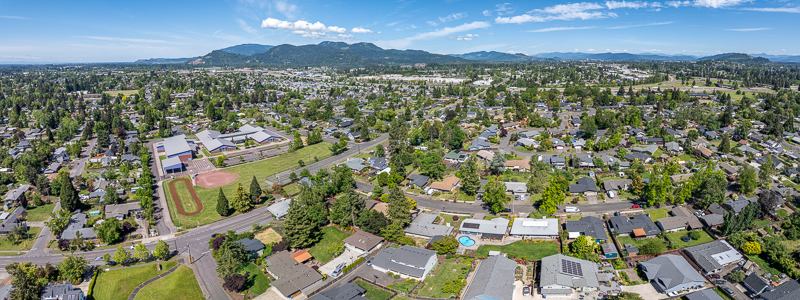
People move to Eugene for three reasons. The outdoors are close, the University of Oregon gives a small city a big-city calendar, and houses cost less than in the West Coast cities most movers are leaving. Here is each one, with the numbers behind it.
The outdoors are part of the week, not a weekend trip
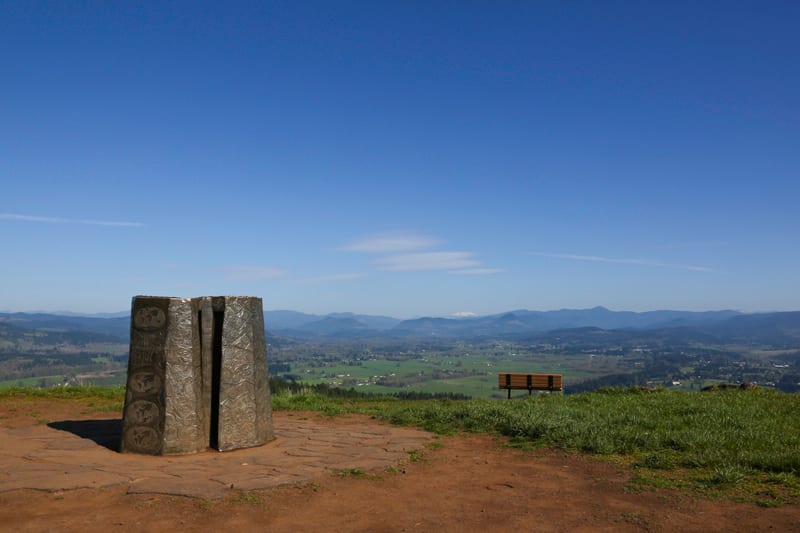
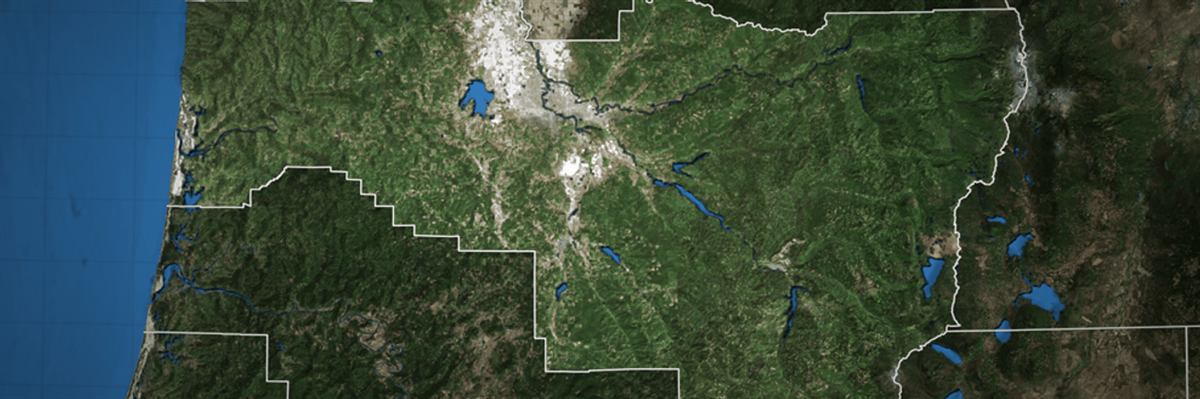
Eugene sits at the southern end of the Willamette Valley, with the Coast Range to the west and the Cascades to the east. The beach at Florence is 61 miles away on Highway 126, about an hour and fifteen minutes. Crater Lake is about three hours down Highway 58.
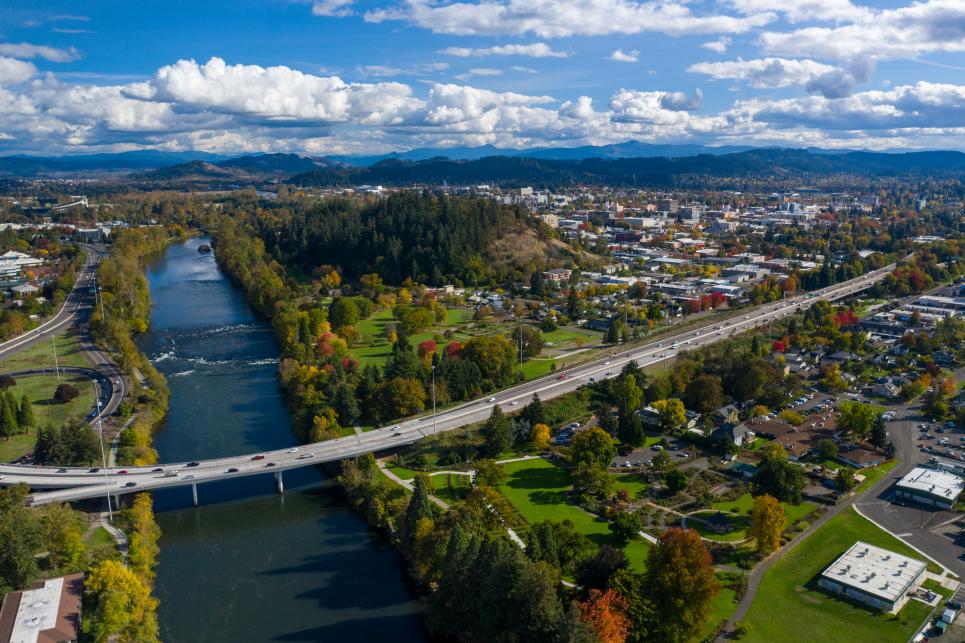
Most of it does not need a drive at all. Spencer Butte and Mount Pisgah are after-work hikes, and paved paths run along both banks of the Willamette through Alton Baker Park. For a lot of people that is the whole point: the trail, the river and the view are part of an ordinary Tuesday.
A university town with a real calendar
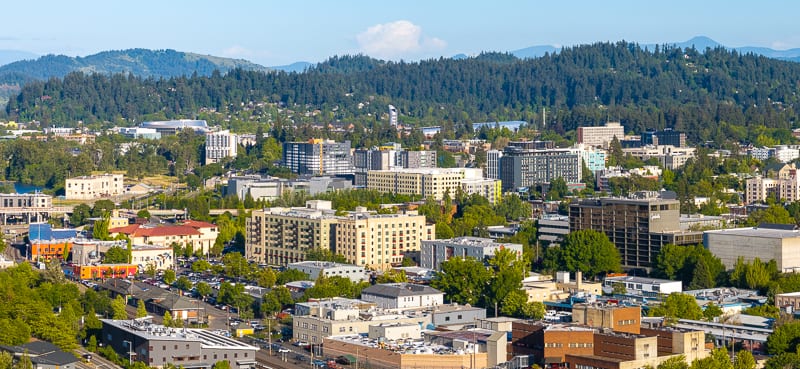
The University of Oregon had 24,448 students in fall 2025, and it gives Eugene more going on than a city this size usually has. Ducks football fills Autzen Stadium, Hayward Field hosted the 2022 World Athletics Championships, and downtown has the Hult Center and the Saturday Market.
It also shapes the pace. Eugene is busy in the fall and on game days and easy the rest of the time, which is exactly the trade many people moving from bigger cities are looking for.
Houses cost less than Portland, and far less than California
In the 12 months to September 2026, the middle Eugene house sold for about $500,000. In Portland it was about $600,000. Those are our own figures from the regional MLS, houses only, 1,807 sales in Eugene and 7,122 in Portland. For the fuller comparison, see Eugene vs Portland real estate.
Oregon also has no sales tax, which people notice at the first big purchase.
Coming from California? The gap is much bigger, and we wrote a whole guide to it: moving to Eugene from California, with what your equity buys here, neighborhood by neighborhood.
Where people are moving from
About 117,900 people moved to Oregon from another state in 2023 and 2024, by the U.S. Census Bureau's count. The biggest share came from California (31,500), then Washington (20,400) and Arizona (7,200), about half of everyone between those three.
The weather: wet winters, dry summers
Eugene gets about 40 to 50 inches of rain a year at the airport, and nearly 90 percent of it falls between early October and mid-May, according to the National Weather Service. Only about 2 percent falls in July and August, so summers are dry. Snow shows up about four days a year, rarely more than two inches, and it usually melts within a day.
If you can live with gray, damp winters, the payoff is green all year and a long, dry summer from about mid-May into early October.
Is Eugene the right move for you?
Why people come is only the first question. For the rest, we have a page for each one: what it's like to live in Eugene, with the pros and cons; the best neighborhoods in Eugene, for where to live; our moving to Eugene guide, for the whole picture; how to relocate, for the logistics; and where Eugene is, if you are placing it on the map. Families can start with the best schools in Eugene.
Moving to Eugene with Heart & Home
Heart & Home is a Eugene brokerage, and we help people make this move, including buyers shopping from out of state. Tell us where you are coming from and what matters most, and we will point you to the parts of town that fit, then show you the homes for sale in Eugene that match.
Common questions
- Why are so many people moving to Eugene, Oregon?
- Three reasons come up again and again: the outdoors are close (the coast at Florence is a little over an hour away, the Cascades are to the east, and there are trails in town), the University of Oregon gives the city more culture and sports than its size suggests, and houses cost less than in Portland or California. In the 12 months to September 2026, the middle Eugene house sold for about $500,000, against about $600,000 in Portland.
- Where are people moving to Oregon from?
- Mostly from California and Washington. Of the roughly 117,900 people who moved to Oregon from another state in 2023 and 2024, about 31,500 came from California, 20,400 from Washington and 7,200 from Arizona, according to the U.S. Census Bureau.
- Does it rain a lot in Eugene?
- In winter, yes. Eugene gets about 40 to 50 inches of rain a year, and nearly 90 percent of it falls between early October and mid-May. Summers are dry: only about 2 percent of the year's rain falls in July and August. Snow is rare, about four days a year.